

Fractional Commercial Director,
Event Portfolios
Your team delivers the events. Who's accountable for whether they work?
If your organisation runs a recurring event portfolio, one flagship event a year, or a full calendar, there's a good chance nobody's been asked to own whether it commercially and operationally works. Not the events team. Not finance. Not the CEO. I fill that role.
I still direct and produce a select number of events each year, for organisations who want it done at the standard it deserves. This role is the other half of that same background, twenty five years and well over a thousand events, applied as an ongoing commercial and strategic function rather than delivery of a single event.
Is this you?
You run a recurring event, or a calendar of them, a gala, an annual conference, a product launch, a trade show, a member event, a flagship major event or anything similar
Nobody can tell you what it actually returned last year, not just financially, but in relationships, brand and engagement
The budget gets fought for every year, from a standing start
Whoever runs your events also has a full time job that isn't this
You've lost good people to the stress of it before, and lost what they knew when they left
Your event runs, but it could be better
Or you are just not sure why you keep doing events and whether they are worthwhile for your organisation.
If two or more of these are true, keep reading.
REDEFINING RETURN
What "working" actually means
Ask most executive leaders what their event returns, and you'll get a revenue number, or nothing at all. Both answers miss most of what an event is actually worth.
A well run event builds brand recognition that outlasts the actual event itself. It deepens relationships with members, donors and sponsors in a way no email or annual report can. It's one of the few tools an organisation has to genuinely engage an audience, not just reach one, and to find out, in real time, whether that audience is actually satisfied. It carries messages a newsletter never could, culture, direction, gratitude, ambition, communicated the way people actually absorb them.
None of that shows up in a single financial metric, and none of it gets managed if nobody's been asked to look at the whole picture.
THE ANALYSIS
What I actually look at
Purpose and objectives
Why this event exists, what it's actually meant to achieve, and whether everyone involved agrees.
Structure and ownership
Who runs what, how resourcing is split, where decisions actually get made.
Team and capability
Whether the people running your events is structured correctly, they have the right skills, support and resourcing to do it well, and whether the workload being asked of them is realistic
Creative, production and operational standards
Whether the actual execution, creative, production, operations, structure, is at the standard the event and the organisation deserve
Programming and calendar
How events are scheduled and sequenced across the year, and whether that sequencing still makes sense.
True cost
Not just the invoiced spend, internal time, admin drag, and the costs that never make it into the event budget.
Return, in full
Financial return, brand recognition, relationship depth, audience engagement and satisfaction, awareness, and what the event actually communicates.
The trajectory
Where this is heading over the next three to five years, not just how it ran last time.
Why it never gets fixed on its own
No analysis
Nobody has looked at the whole picture, purpose, structure, true cost, and full return, so there's no case for the investment it deserves.
No owner
Someone delivers the events. Someone owns the budget line. No-one's been asked to own whether they work.
No memory
It runs, everyone recovers, the learnings evaporate. Next year rebuilds from the run sheet and goodwill.
Your events team can't fix this, they own the day, not the commercial question, and they're flat out. Finance can't fix it, they see the budget line, not what's underneath it. Your CEO can't fix it, they see the outcome, not inside it.
Two halves of one job
| The Commercial Half | The Operational Half |
|---|---|
| What the portfolio truly costs and returns | How it's designed, planned and run |
| Board-ready reporting, every cycle | Fixing what repeats every year |
| Which events should grow or change | Process, planning discipline, risk, resourcing |
| Why it earns more investment, not less | Why it actually does what it's for |
WHY ME
A background in financial accounting before I ever produced an event
Commercial thinking isn't something I added later, it's how I've approached events from the start.
25 years directing and producing over 1,000 events globally
Still an active director and producer today
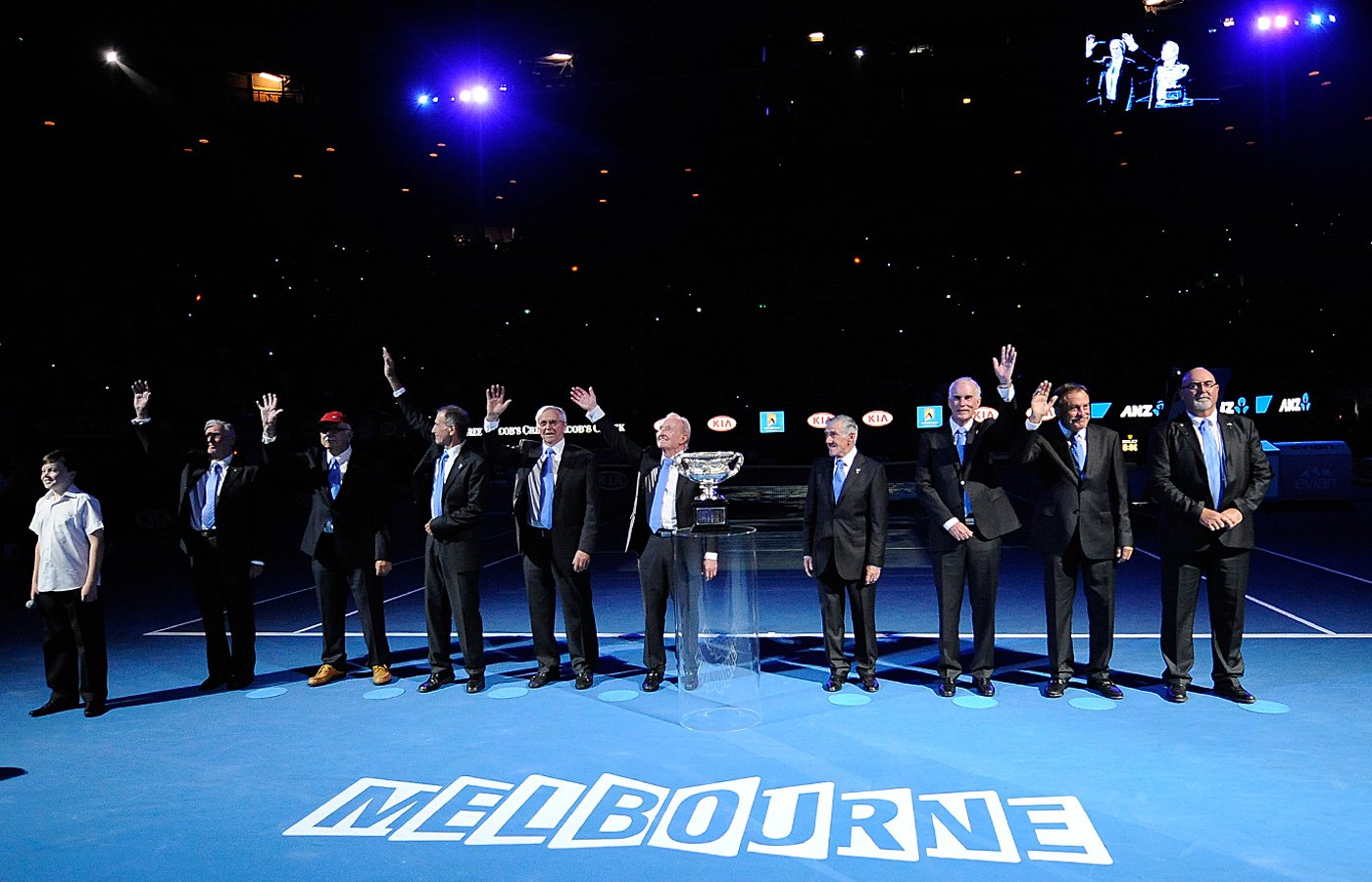
For organisations including Tennis Australia/Australian Open, Xero, Woolworths Group, Adidas, McDonald's, Intercontinental Hotels Group, Melbourne Fashion Festival, KPMG, Monash Health and many more across nearly every industry in Australia, Asia, US and Europe.
Executive leadership teams, government and regulatory stakeholders, boards and and committees, I've sat at the table, not just reported to it.
Executive and board-level experience, not just delivery experience
Built commercial event functions from the ground up, more than once
New departments, new revenue streams, new processes, new standards, not just running what already existed
This isn't theory or something I used to do. I still run events at the highest level, several each year, alongside the commercial work.
“My business would not exist today without Brad. Thank you for saving me and putting us on the right path. ”
-Emma M., Australia
HOW IT WORKS
There are two ways to work together, depending on what your organisation actually needs right now.
Ongoing
For organisations that want consistent, senior representation of their event portfolio, not just during a review, but between events, at leadership meetings, and at board level, whenever it's needed. This starts with a full gap analysis and review, delivered as a board-ready report inside the first 90 days, then continues as a regular ongoing function: developing and improving structure, purpose, programming, procedures, true cost, building the plan, and representing the events at leadership level for as long as it's needed. If the initial review doesn't justify continuing, I'll say so, and you keep the report either way.

Project Based
For organisations that know exactly what they need help with right now, without wanting an ongoing commitment. A standalone analysis or health check, help resolving a specific problem, training and professional development, senior executive level representation, strategic direction on a project, establishing the best processes and standard operating procedures an events function needs to run properly. Scoped, and finished when it's finished, not a smaller version of the ongoing role.
INVESTMENT
Priced for your events, not published as a rate card
Ongoing work is priced against the size and complexity of your events and business, not a flat day rate, and structured to cost meaningfully less than adding a full-time senior hire, without the recruitment risk or twelve-month commitment that comes with one.
The right comparison for the ongoing role isn't what a consultant costs. It's what a senior function is worth against the alternative of not having one, the leak, the burnout, the program that never quite gets the investment case it deserves.
Project-based work is scoped and quoted for what it actually is, a defined piece of work with a defined end, not an open-ended day rate.
Get in touch and I'll give you a straight answer for your specific situation, ongoing or project based.
The next step
A conversation. I want to hear how your events and business actually run, and you can decide whether any of this looks familiar. If it doesn't, you've lost half an hour. If it does, I'll tell you what I think it's worth investing further in.